

You’ve invested in quality CBD products, followed the recommended dosing, but somehow the effects don’t feel as consistent as they did when you first opened the package. Before you blame the manufacturer or question whether CBD works for you at all, consider this: cannabinoids are remarkably sensitive compounds that degrade when exposed to the wrong storage conditions. The potency printed on your product label reflects what was inside the bottle at manufacturing, not necessarily what remains after weeks of improper storage on your bathroom counter.
Understanding how environmental factors affect CBD stability isn’t just academic knowledge—it directly impacts whether you’re getting the therapeutic benefits you’re paying for. Moisture, light, heat, and oxygen all accelerate cannabinoid degradation through different mechanisms. Even products like CBD mints that seem shelf-stable face degradation challenges if packaging and storage aren’t optimized. The good news is that protecting CBD potency requires simple adjustments once you understand what actually causes deterioration.
Light Exposure: CBD’s Hidden Enemy
Cannabinoids break down rapidly when exposed to ultraviolet light and even certain wavelengths of visible light. This photodegradation transforms CBD into other compounds that lack the therapeutic properties you’re seeking. Research on cannabis storage has shown that UV exposure can reduce cannabinoid content by more than 10% in just a few weeks, with degradation accelerating in direct sunlight.
This explains why reputable CBD manufacturers package their products in dark amber or opaque containers. Clear glass might look appealing on a shelf, but it offers zero protection against light-induced degradation. If you’ve purchased CBD in clear packaging, transferring it to a dark container immediately after opening makes a measurable difference in how long it maintains potency.
The location where you store CBD matters just as much as the container. That windowsill in your kitchen might seem convenient, but even indirect sunlight causes cumulative damage over time. Drawers, cabinets, and other dark spaces provide the protection cannabinoids need to remain stable. For products you use daily, keeping them in a medicine cabinet away from windows works better than leaving them on countertops where ambient light hits them constantly.
Moisture and Humidity: The Degradation Accelerator
Water is problematic for CBD products in multiple ways. High humidity environments promote mold and bacterial growth, particularly in edibles and other food-based CBD products. But even when microbial contamination isn’t a concern, moisture accelerates the chemical breakdown of cannabinoids through hydrolysis and oxidation reactions.
Bathrooms represent particularly poor storage locations despite being where many people keep supplements and wellness products. The steam from hot showers creates humidity spikes that expose CBD to moisture repeatedly. Over weeks and months, this cycling between humid and dry conditions degrades product quality faster than stable environments would.
Tinctures and oils face specific moisture challenges because water can separate from the carrier oil, creating inconsistent dosing and providing conditions where cannabinoids degrade unevenly throughout the product. Gummies, capsules, and mints need protection from moisture to prevent texture changes that indicate broader quality deterioration. When gummies become sticky or hard, or when capsules show condensation inside the bottle, it signals that moisture has compromised the storage environment.
Silica gel packets included in some CBD packaging aren’t just filler—they actively absorb moisture to maintain dry conditions inside sealed containers. If your product came with these desiccant packets, keep them in the container rather than discarding them. For products without built-in moisture protection, storing them in cool, dry areas of your home significantly extends their usable life.
Packaging Materials: Not All Containers Are Equal
The container holding your CBD plays a decisive role in how long the product maintains its labeled potency. Glass offers the best inertness, meaning it won’t leach chemicals into your CBD or react with cannabinoids. High-quality dark glass bottles provide excellent protection against both light and chemical interactions.
Plastic containers vary widely in quality. Food-grade plastics rated for long-term storage of oils and supplements work adequately for many CBD products, but cheaper plastics can leach compounds over time or allow oxygen permeation that accelerates degradation. If you notice a chemical smell or taste developing in CBD stored in plastic containers, it often indicates either plastic degradation or poor material choice by the manufacturer.
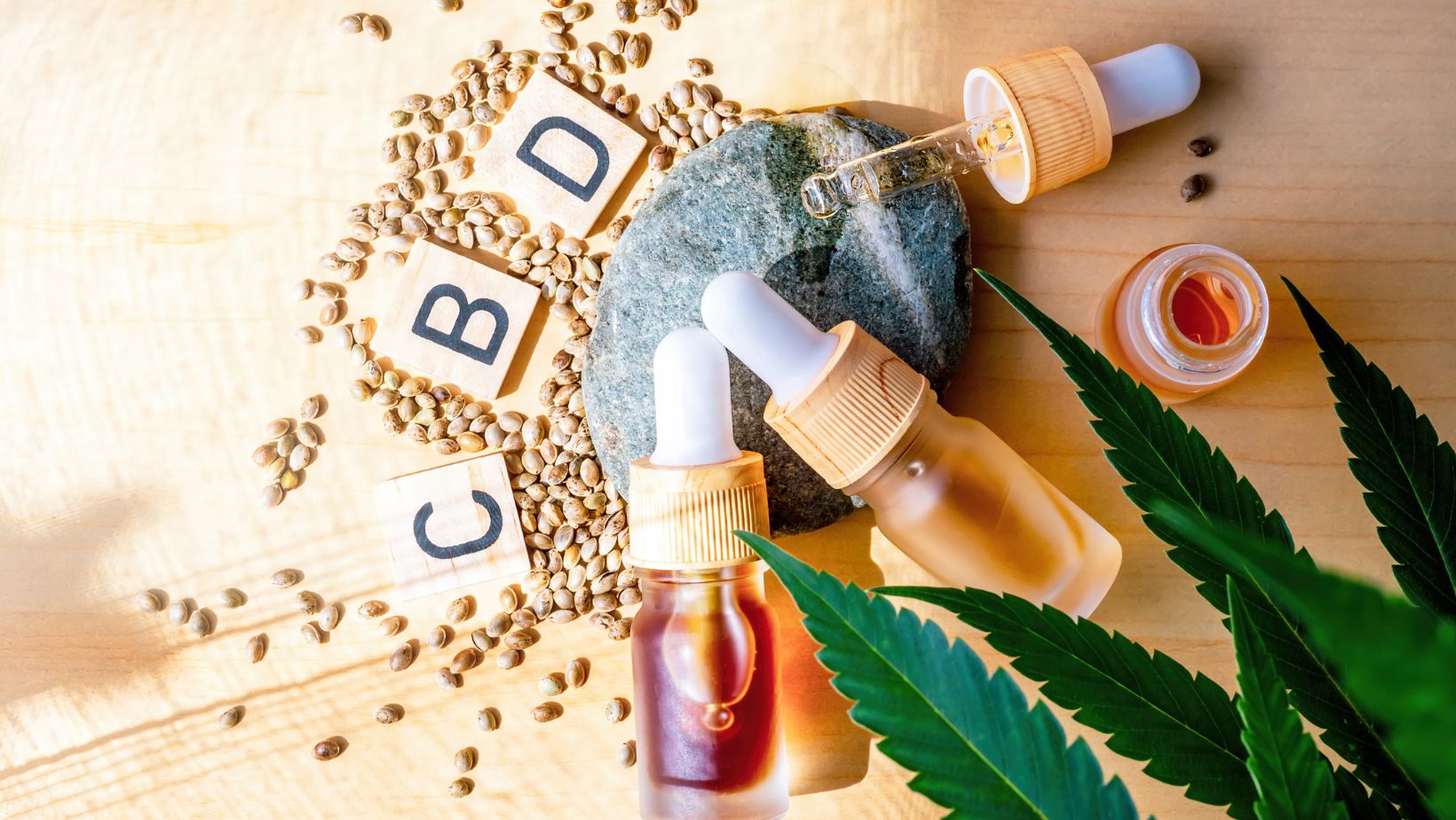
Airspace inside containers matters more than most people realize. Every time you open a bottle, you exchange some of the air inside with fresh oxygen from the environment. Oxygen triggers oxidative degradation of cannabinoids, gradually reducing potency. Products packaged in bottles sized appropriately for their contents minimize airspace and oxygen exposure. When you’ve used half a bottle of CBD oil, for instance, transferring the remainder to a smaller container reduces ongoing oxygen exposure.
Vacuum-sealed packaging and nitrogen-flushed containers represent premium storage approaches that extend shelf life significantly. These methods remove oxygen from the package environment, essentially pausing degradation processes until you break the seal. While not necessary for products you’ll consume within a few months, these packaging upgrades make sense for bulk purchases or products you intend to store long-term.
Temperature: Finding the Sweet Spot
Heat accelerates virtually every chemical reaction that degrades cannabinoids. High temperatures break down CBD into less active or inactive compounds, reducing the therapeutic value of your product. The degradation rate roughly doubles for every 10-degree Celsius increase in storage temperature, meaning CBD stored at 30°C (86°F) degrades approximately twice as fast as CBD stored at 20°C (68°F). This is especially important for CBD flower, which can lose aroma and cannabinoid strength when exposed to prolonged heat. Preserving stable temperatures helps maintain both potency and the terpene profile responsible for flavor and effects. To fully enjoy these qualities, many enthusiasts turn to high-quality accessories like premium bongs, which deliver smoother hits while preserving the natural taste of well-stored buds.
Room temperature storage works fine for most CBD products intended for regular use. The key is avoiding temperature extremes and fluctuations. Don’t leave CBD products in hot cars, near stoves or heating vents, or in other locations where temperatures regularly exceed 25°C (77°F). Consistent, moderate temperatures preserve potency far better than environments with wide temperature swings.
Refrigeration offers benefits for long-term storage, particularly for CBD oils and tinctures. The cool environment slows degradation reactions substantially. However, refrigeration creates its own challenges. Temperature changes when removing products from the refrigerator can cause condensation, introducing the moisture problems discussed earlier. If you refrigerate CBD, allow the container to reach room temperature before opening it to prevent condensation forming inside.
Freezing provides the maximum stability for long-term CBD storage. Cannabinoids remain stable almost indefinitely at freezer temperatures. This approach works best for bulk purchases or backup supplies you won’t need for months. The main consideration with freezing is avoiding freeze-thaw cycles, which can affect product consistency and potentially introduce moisture through condensation.
Putting It All Together: Practical Storage Strategies
Protecting your CBD investment doesn’t require complex protocols or expensive equipment. The fundamentals work: store products in dark, cool, dry locations using appropriate containers. A cabinet or drawer in a climate-controlled room handles these requirements easily.
Check packaging integrity regularly. If seals break, lids crack, or containers show damage, transfer the product to a new container immediately. Air and light exposure through compromised packaging negates all other protective measures. For products you use infrequently, consider splitting large bottles into smaller containers so you’re only exposing a portion to repeated opening and closing.
Pay attention to expiration dates and manufacturing dates on packaging. CBD doesn’t become unsafe past these dates, but potency gradually declines. Products stored under ideal conditions often remain effective well past printed dates, while those stored poorly may degrade before the expiration date arrives. When CBD stops producing the effects you expect, improper storage has likely compromised potency rather than the product being ineffective from the start.
Understanding these storage principles lets you maximize the value and effectiveness of your CBD products. Small adjustments to where and how you keep these items translate directly into more consistent results and better return on your wellness investment.