
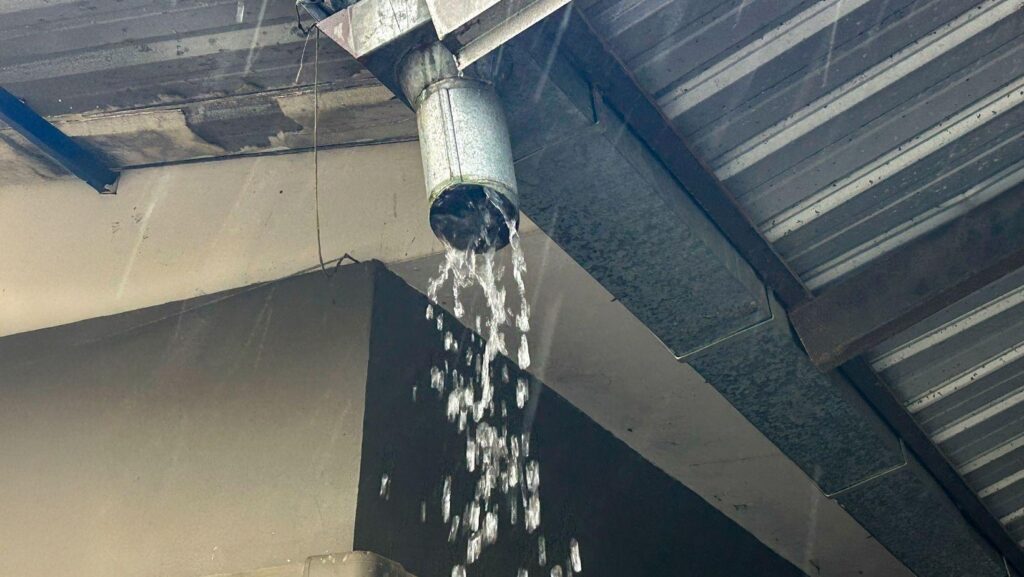
If you own a building with a flat roof, you already know that water is your biggest enemy. Unlike sloped roofs that use gravity to shed rain, flat surfaces need a bit of extra help to keep things dry. If you are looking for a roof repair sandy contractor to check your system, you are making a smart move for your property. Standing water might seem like a small annoyance, but it can lead to massive structural headaches if left alone.
The Problem With Ponding Water
When water sits on a roof for more than 48 hours, it is called ponding. This is not just a simple case of a puddle on your roof. It’s treacherous because it is a heavyweight that puts constant stress on your roofing membrane. Flat roofs are designed to handle moisture, but they are not swimming pools.
Over time, that standing water begins to eat away at the protective layers. It can cause the material to degrade or become brittle. Once the surface is compromised, leaks are almost guaranteed to follow. Plus, stagnant water is a magnet for algae and debris, which only makes the drainage problem worse.
What Exactly Is a Drain Sump?
A drain sump is essentially a recessed area around the roof drain. Think of it like a shallow bowl or a dip in the surface that sits lower than the rest of the roof plane. By creating this low point, gravity will do it’s job and do the heavy-lifting on your behalf.
Water naturally flows toward the sump rather than sitting in random spots across the roof. It is a simple mechanical solution that will save you from potential headaches. It’s the answer to your a complex drainage issue. Without these sumped areas, water often has to rise to a certain level before it even reaches the drain, which is exactly how ponding starts.
Why Elevation Matters for Drainage
On a perfectly flat roof, even a tiny imperfection can trap water. Maybe the insulation underneath shifted or the building settled over time. These small dips eventually become collection points.
By installing a drain sump, you effectively lower the "exit door" for the water. This ensures that even the last bit of rainfall finds its way into the pipes. It creates a consistent slope toward the outlet. This proactive approach prevents those annoying patches of water that refuse to evaporate.
Reducing Maintenance and Repair Costs
One of the biggest perks of a well-installed sump is that it saves you money in the long run. When water clears off the roof quickly, your roofing materials last much longer. You spend less time worrying about rot or mold growth.
Sumps also make it easier to spot when a drain is starting to clog. Since all the water is headed to one specific spot, you can easily clear away leaves or silt during your regular walks on the roof. Keeping the water moving is the best way to avoid emergency repairs in the middle of a storm.
Improving Structural Integrity
Water is incredibly heavy. Just one inch of standing water can add thousands of pounds of extra weight to your building. Flat roofs are built to handle a load, but they have limits. Constant ponding can cause the roof deck to sag.
When the deck sags, it creates an even deeper hole for more water to collect. This is a dangerous cycle that can eventually lead to a total roof collapse. Drain sumps break that cycle by ensuring the weight never has a chance to build up in the first place.
Final Word
Taking care of your flat roof does not have to be a constant fight versus the elements. Installing proper drain sumps is one of the most effective ways to ensure your building stays dry and secure for years to come. If you notice water sticking around after a storm, it might be time to call an expert. A certified roof repair sandy contractor to evaluate your drainage is a god-send. A little bit of maintenance today prevents a massive bill tomorrow. Making sure your drains are lower than your roof surface is the simplest secret to a long-lasting roof.