
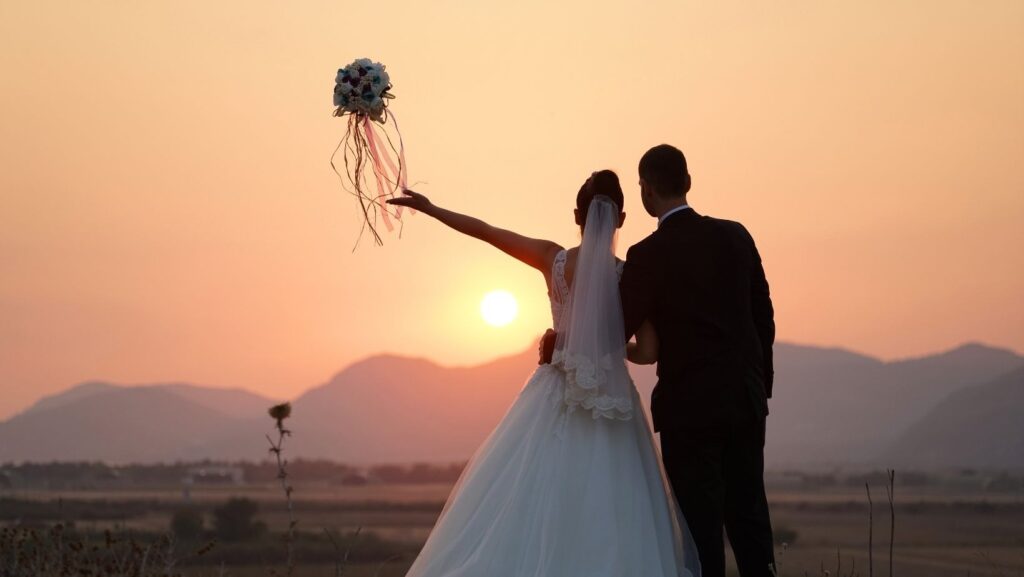
Planning a wedding is already a big emotional project. Planning a multicultural wedding ceremony can feel even more overwhelming because you are not just organizing a celebration – you are bringing together different families, traditions, and expectations into one meaningful day.
The good news is that this does not have to be complicated or stressful. With early planning, honest communication, and a willingness to blend traditions thoughtfully, you can create a ceremony that feels respectful, personal, and beautiful for everyone involved. A multicultural wedding is not about choosing one culture over another – it is about making space for both, or all, in a way that feels authentic to you.
Start With the Meaning, Not the Format
Before you think about outfits, songs, rituals, or decor, start by talking about what the ceremony should mean. That conversation matters more than the schedule.
Ask yourselves what matters most to each of you. Some couples want to honor religion, language, and family heritage. Others care more about symbolically blending traditions while keeping the ceremony simple and modern. Once you know the emotional goal, the details become easier to shape around it.
This is also the time to ask a bigger question: what should your guests understand when they leave the ceremony? If the answer is love, unity, and mutual respect, your planning can stay focused on those values.
Talk Openly With Family Early
Family expectations can be the most complicated part of planning a multicultural wedding ceremony. In many cultures, weddings are not seen as a couple-only event – they represent the joining of families, beliefs, and sometimes generations of tradition.
That is why early conversations are essential. Try to understand which traditions are non-negotiable for each side and which ones are more flexible. Some families may care deeply about a religious blessing, while others may want a specific ritual, language, or ceremonial order included.
It helps to be direct but respectful. You are not promising to include everything. You are listening, learning, and making thoughtful decisions together. That alone can prevent many misunderstandings later.
Choose the Right Ceremony Format
Not every multicultural wedding ceremony needs to follow a fixed structure. In fact, many couples create a custom format that combines elements from both cultures in a way that feels natural.
Religious, Civil, or Hybrid Ceremony
If both families expect religious traditions, consider whether a hybrid ceremony is possible. This might mean including prayers, readings, or blessings from both faiths, while keeping the event accessible to everyone present.
If one or both families prefer a civil ceremony, you can still weave in cultural rituals such as a unity candle, handfasting, tea ceremony, or ring exchange with meaningful words. The format should support the message of the day, not limit it.
Deciding What Comes First
The order of events can matter a lot in multicultural weddings. Some traditions require a specific sequence, while others are more flexible. If you are blending customs, work with your officiant or planner to create a flow that respects each tradition without making the ceremony feel disjointed.
A smooth ceremony often comes from keeping the structure simple and selecting a few meaningful rituals rather than trying to fit in every possibility.
Blend Traditions Without Forcing Them
One of the biggest mistakes couples make is treating a multicultural ceremony like a performance. The goal is not to showcase traditions just because they are different. The goal is to select practices that are meaningful to you and can sit comfortably together.
Pick Rituals That Complement Each Other
Look for elements that share similar themes, such as unity, blessing, commitment, or family inclusion. For example, a cultural veil ceremony and a family candle lighting may both symbolize connection and support. When traditions share a message, they are easier to pair.
If two rituals feel too similar or too long, choose one and save the other for the reception. You can also assign each tradition to a different moment in the wedding day so nothing feels crowded.
Avoid Trying to Do Everything
A ceremony stuffed with too many rituals can lose its emotional impact. Guests may not follow what is happening, and the couple may feel rushed instead of present.
A more thoughtful approach is usually better. Choose a few customs that matter most, explain them clearly, and let them shine. That way the ceremony feels intentional rather than overloaded.
Work With an Officiant Who Understands Cultural Sensitivity
The officiant plays a major role in how the ceremony feels. A good officiant does more than lead the script – they help translate traditions, smooth over differences, and keep the ceremony respectful.
If possible, choose someone who has experience with multicultural or interfaith weddings. They should be comfortable pronouncing names correctly, introducing rituals with context, and balancing different cultural expectations without awkwardness.
If you are writing your own vows or ceremony script, ask your officiant to review the language carefully. Small details matter, especially when terms, blessings, or readings come from more than one tradition.
Make Language Choices Intentionally
Language can connect people or create distance. In a multicultural wedding ceremony, it is worth thinking carefully about which languages to include and how to help guests follow along.
Use Bilingual or Multilingual Elements
If your families speak different languages, consider including key parts of the ceremony in both.
This might mean a welcome, vows, readings, or a short blessing in each language.
You do not need to translate everything word for word. Even a few meaningful phrases can show respect and make family members feel included. If the ceremony is in one primary language, printed programs can help bridge the gap.
For couples preserving memories across generations, a wedding photobook can be a beautiful way to keep the ceremony details, cultural touches, and written vows in one place.
Keep It Understandable for Guests
If guests are unfamiliar with one of the languages or traditions, give them enough context to stay connected. A short explanation from the officiant or a note in the program can prevent confusion without interrupting the flow.
This is especially helpful when the ceremony includes symbolic actions like a garland exchange, a tea ritual, or a religious blessing. When people understand the meaning, they become more present and engaged.
Respect Symbols, Attire, and Ceremony Space
Multicultural weddings often carry meaning through visual details. Clothing, flowers, music, seating, and altar design can all reflect more than one heritage if chosen with care.
Dressing With Intention
Many couples choose to incorporate elements from both cultures into their attire. That might mean wearing one traditional outfit for the ceremony and another for the reception, or combining colors, fabrics, and accessories from each background.
The key is to be comfortable and respectful. If a particular garment or accessory has religious or cultural meaning, make sure you understand how it should be worn. When in doubt, ask family elders or cultural experts rather than guessing.
Designing a Shared Ceremony Space
Your ceremony setting can quietly communicate inclusion. Use decor that honors both backgrounds without making the space feel split in two. Balanced floral choices, meaningful colors, or symbols from both traditions can help create harmony.
Even the seating arrangement can matter. If one culture places a strong emphasis on family hierarchy or community visibility, plan the room so those relationships are reflected thoughtfully.
Handle Differences With Flexibility and Grace
No multicultural wedding goes perfectly according to plan. That is normal. The goal is not to eliminate every difference – it is to manage them with patience and respect.
When conflicts come up, go back to the central question: what will help us honor both families while staying true to who we are as a couple? That question can simplify a lot of hard choices.
Sometimes compromise means combining traditions. Sometimes it means choosing one tradition for the ceremony and another for the reception. And sometimes it means creating something entirely new that still carries the spirit of both cultures.
Create a Ceremony That Feels Like Yours
At its best, a multicultural wedding ceremony should feel deeply personal. It should not feel borrowed, forced, or overly formal. It should feel like a real reflection of your relationship and the worlds you come from.
Use your love story as the thread that ties everything together. When you are unsure how to structure a ritual or wording, ask whether it reflects your values as a couple. That simple test can keep your ceremony grounded and honest.
Conclusion
Planning a multicultural wedding ceremony is really about building a bridge – between families, traditions, languages, and expectations. It takes more conversations and more care, but the result can be a ceremony that feels richer and more meaningful than anything a one-size-fits-all template could offer.
Start early, stay flexible, and focus on the traditions that truly matter to you. If you do that, your wedding will not just celebrate two people coming together – it will honor the many layers of identity, love, and connection that make your story unique.